Tuscany
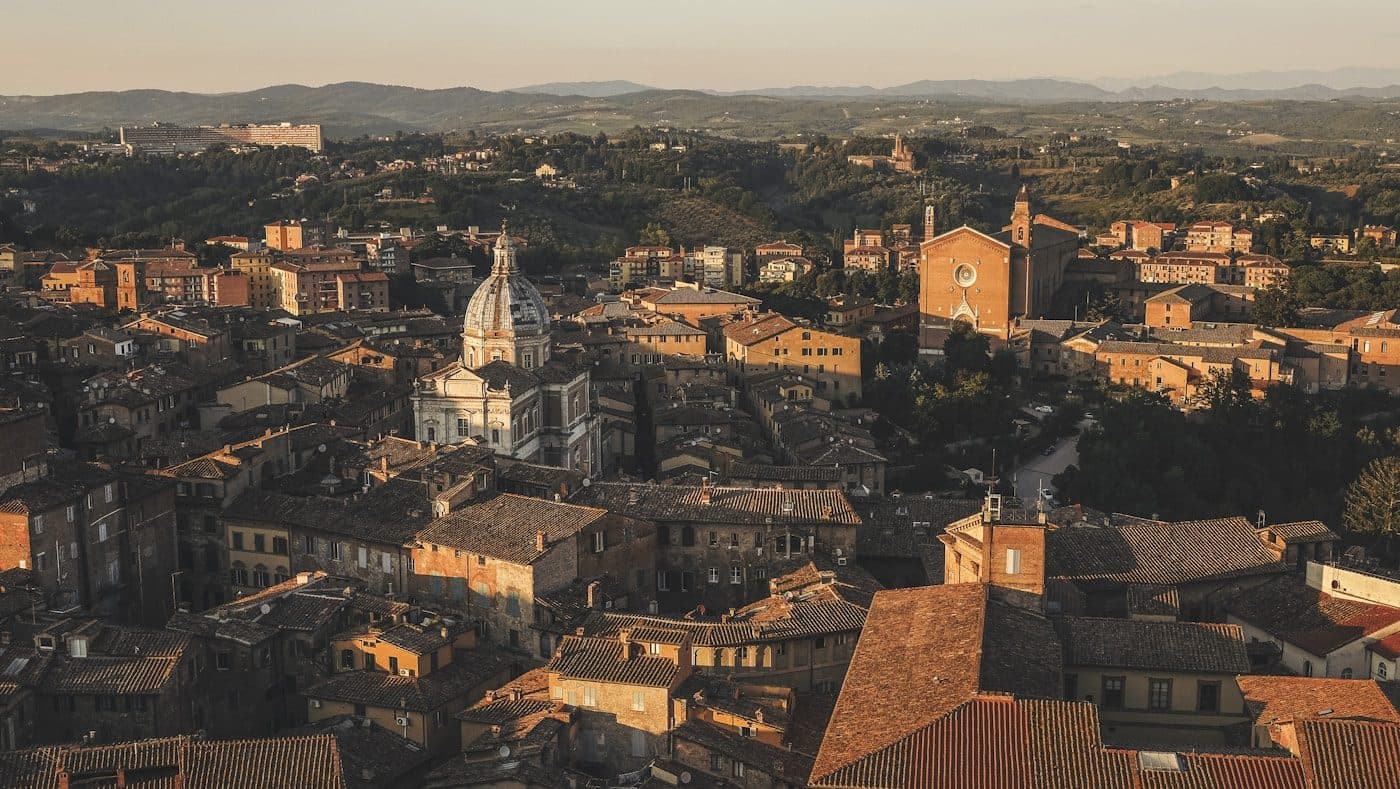
Most people see Tuscany from Florence and never really leave the city. That is a reasonable first trip, but it means missing the part that made the region famous: the hill towns, the roads between them, and the fact that a forty-minute drive changes the landscape completely.
The practical constraint is transport. Siena, Pisa and Lucca are easy by train. Everything else, including Val d’Orcia, Montalcino, Montepulciano and most of Chianti, needs a car or a tour, because the bus timetables are built for residents and not for visitors. Hiring one costs more than the headline suggests: the figure you are advertised and the figure the same company calls its own average differ by a factor of four, and the guide below has both.
These guides cover which towns are worth the detour, how to structure a road trip, when to come, and what a villa with a pool actually costs once you add the extras.
Tuscany guides
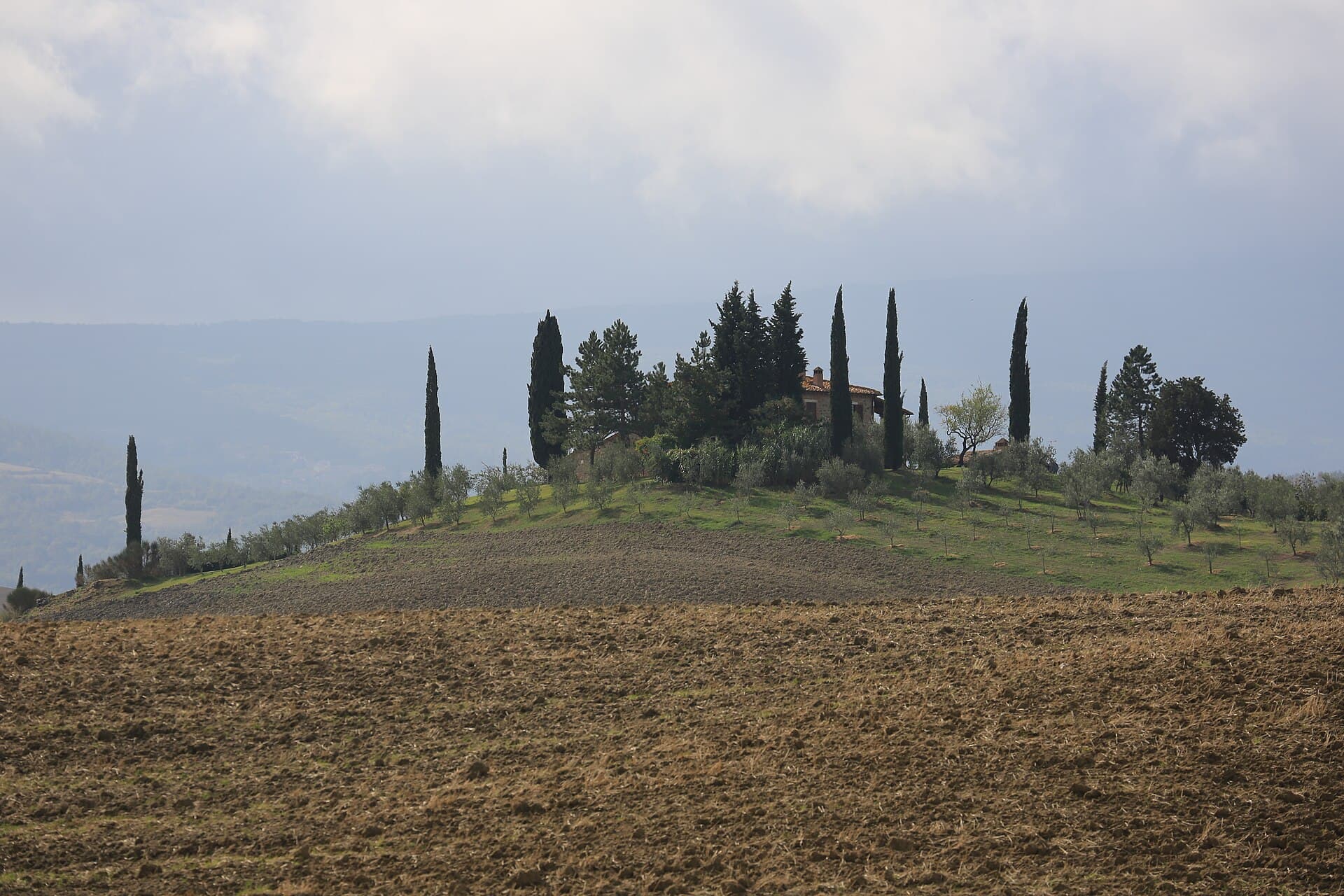
Things to Do in Tuscany
Half of every list is an 8.90 euro train ticket. The other half Trenitalia will not sell you a ticket to at all.
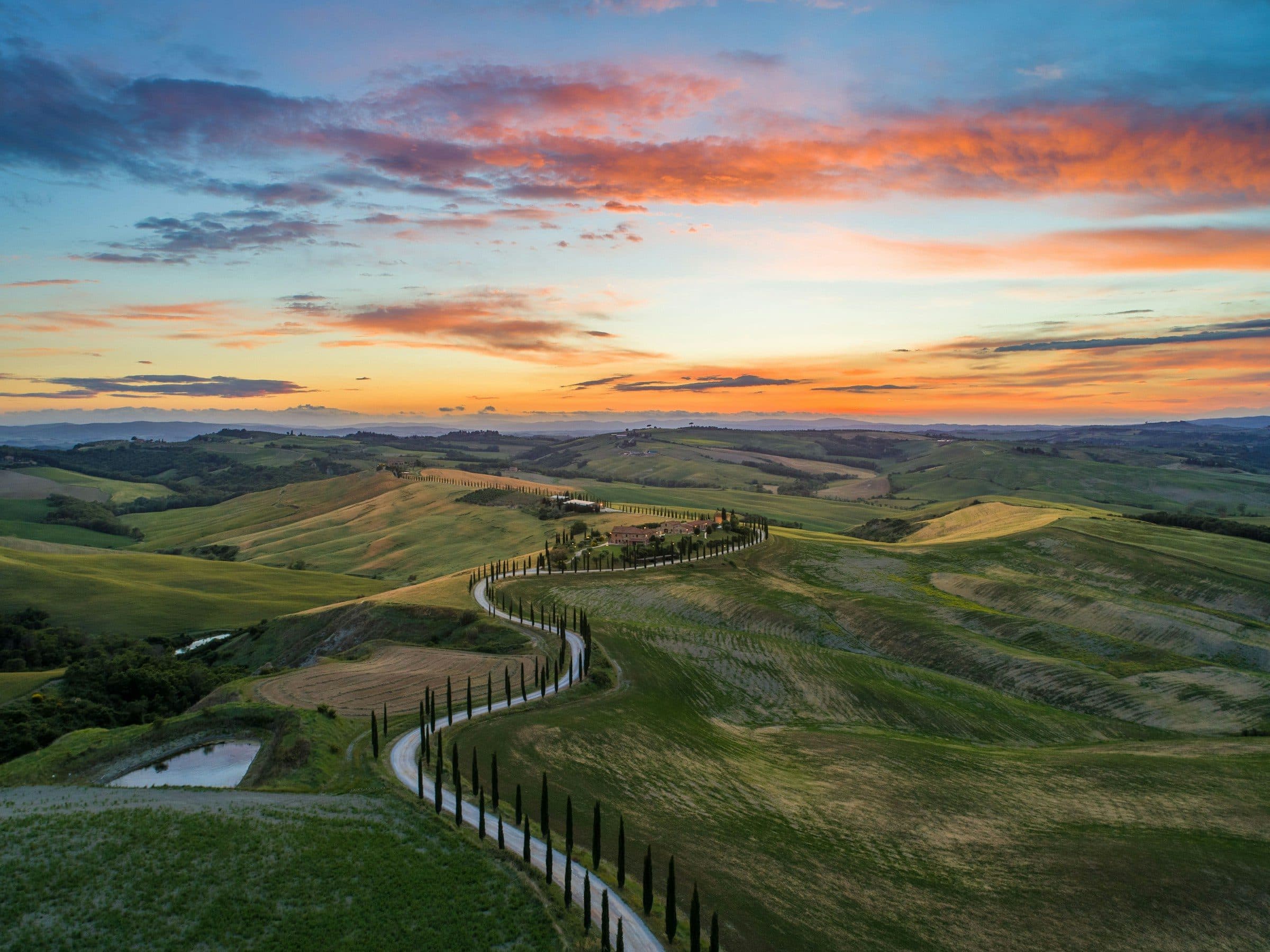
Renting a Car
Advertised at 13 euros a day, averaged at 53 on the same page. Plus the 5 euro permit that stops a fine.
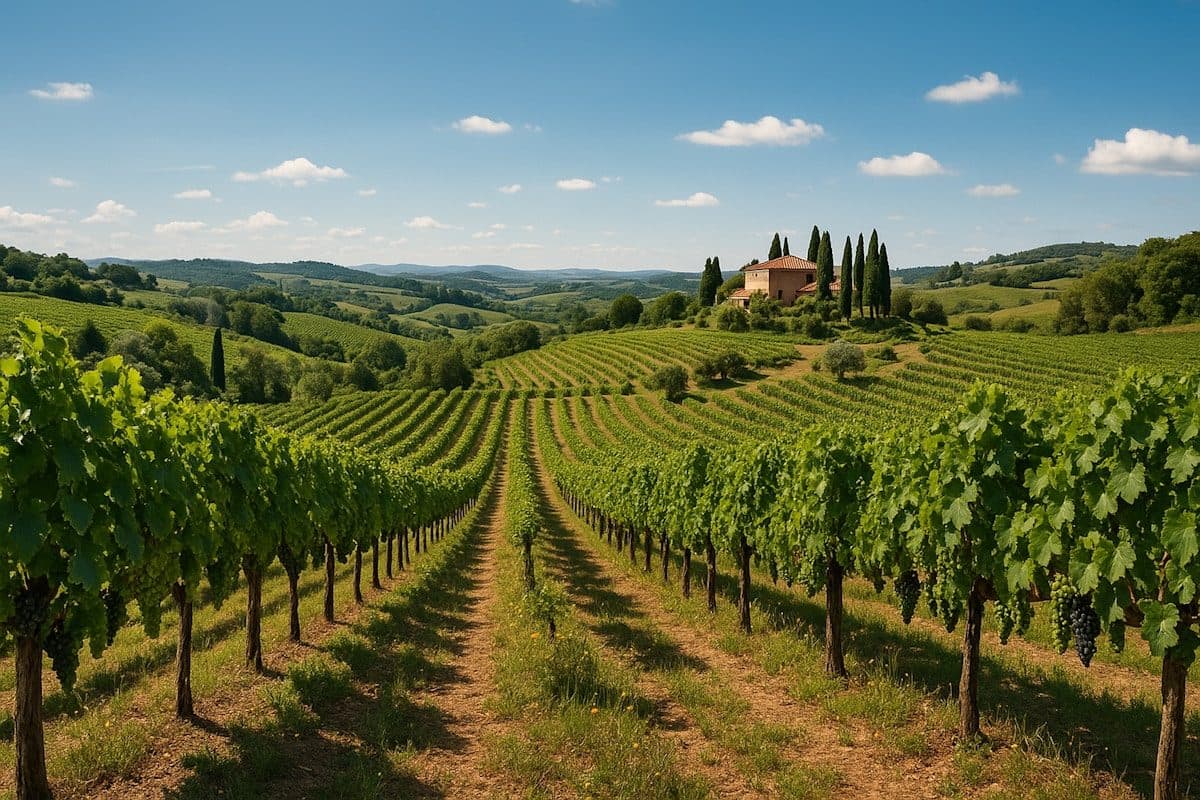
Tuscany Villa Rentals
What a villa really costs, when to book, and what the listing photos leave out.
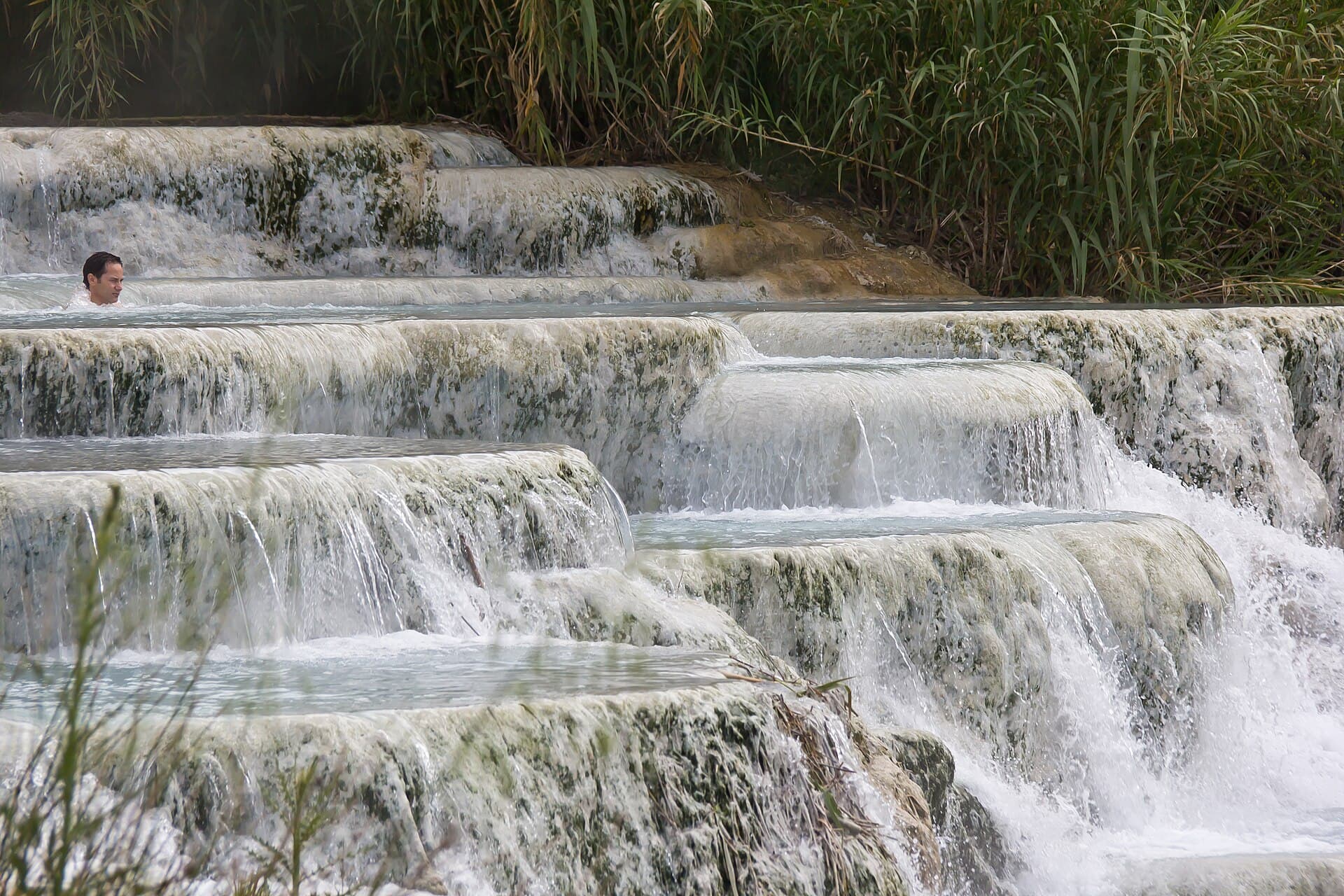
Hot Springs in Tuscany
Free, 30 euros or 90 for the same spring. And only one of them has a train from Florence.
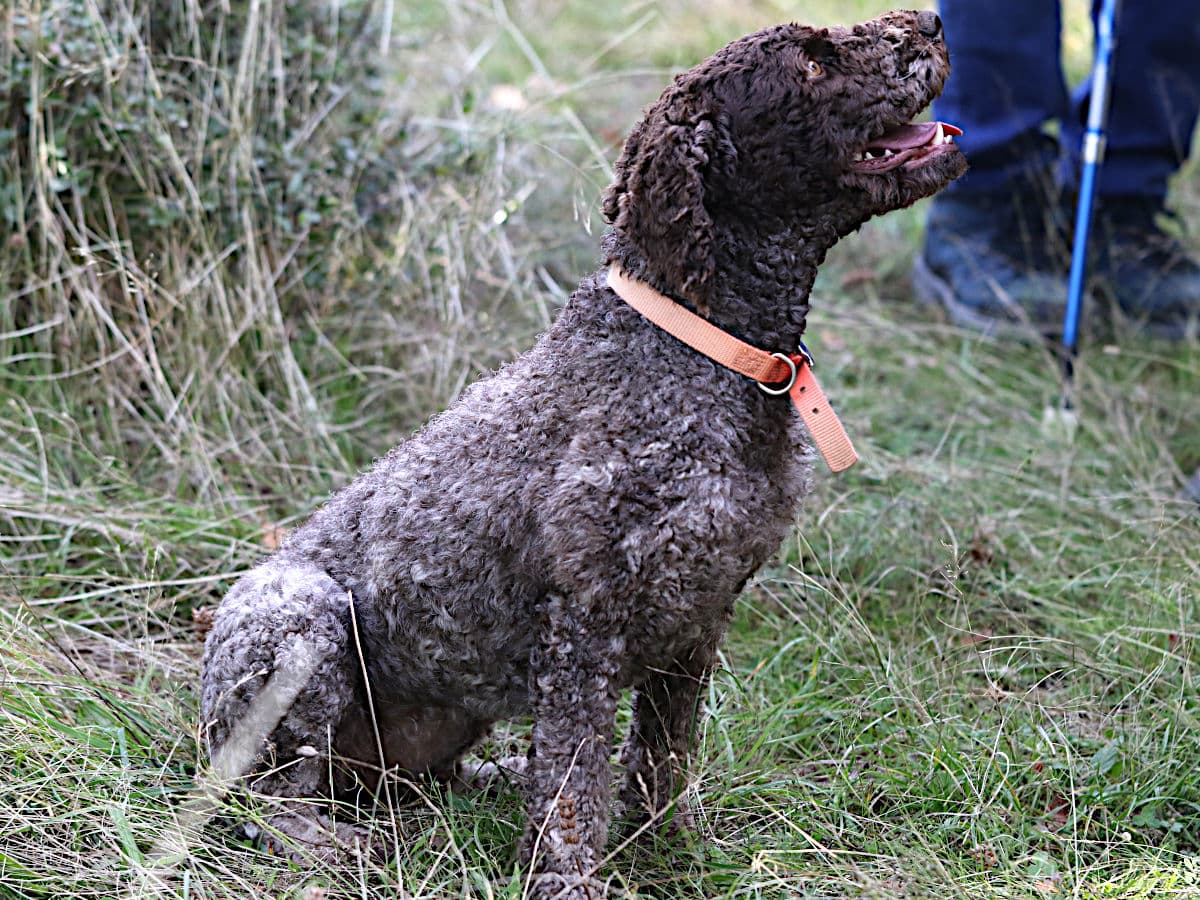
Truffle Hunting in Tuscany
The season is fixed by regional law, two months are closed outright, and the hunt itself lasts an hour.
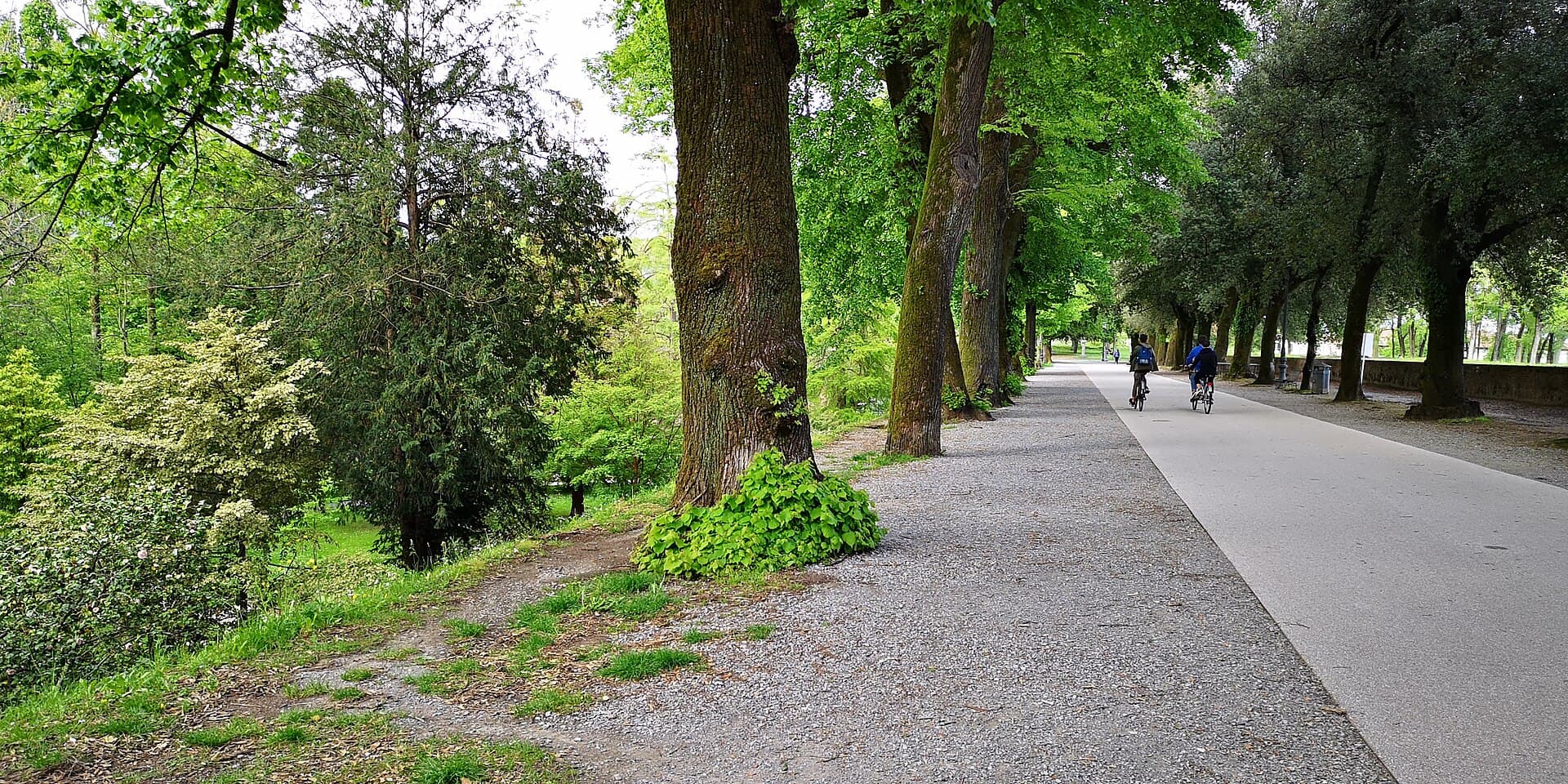
Lucca
The walls are free and the bike is 5 euros an hour. The museums will not tell you their price at all.
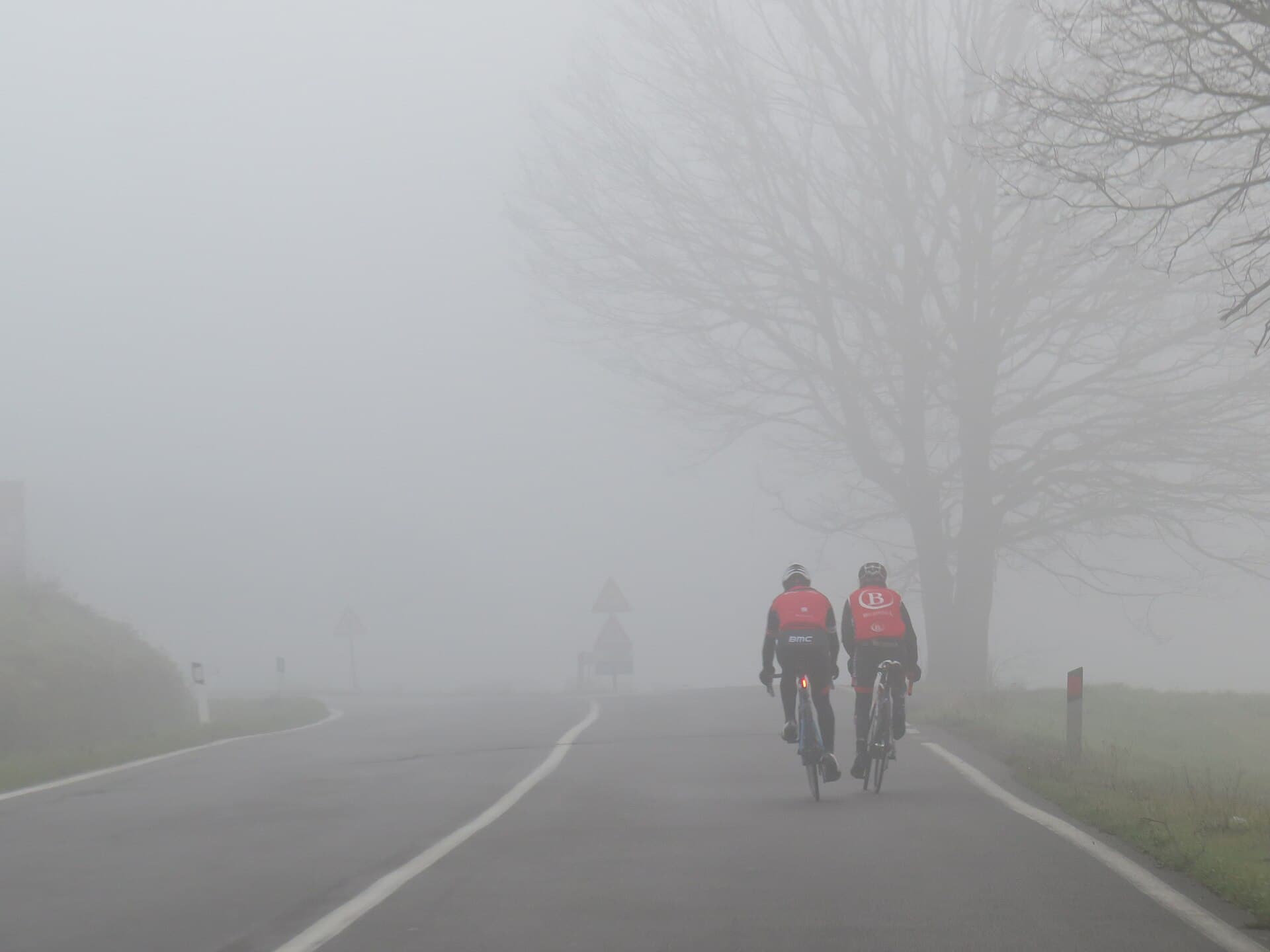
Bike Tours
The same search sells you a 25 euro self-guided ride and an 8,000 dollar week. What separates them, and what the extra buys.
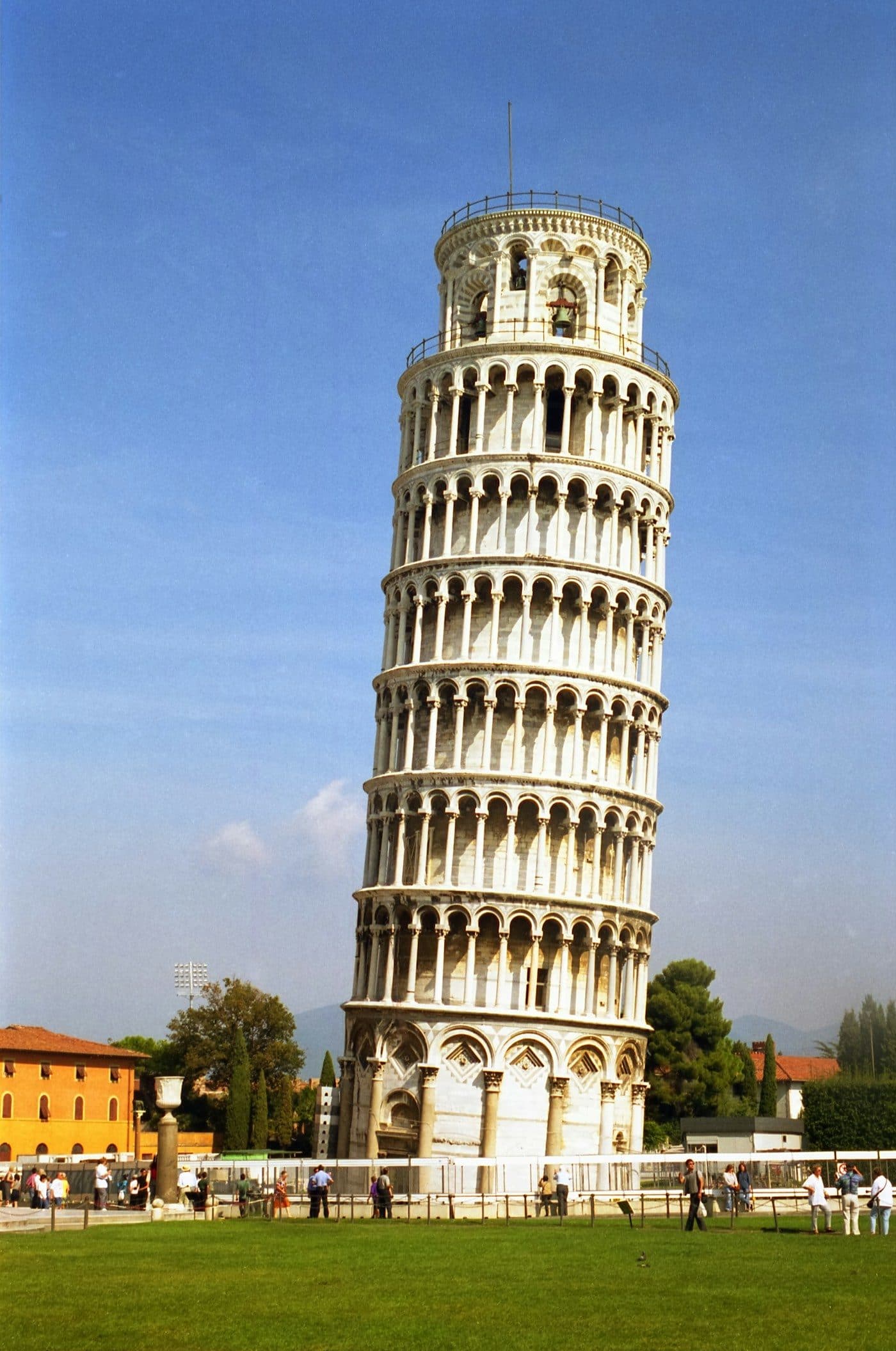
Pisa
What every ticket costs, in text, and the upgrade that is cheaper than buying the parts.
Siena
What to see in the four hours a day trip gives you, and the closure that catches people out.
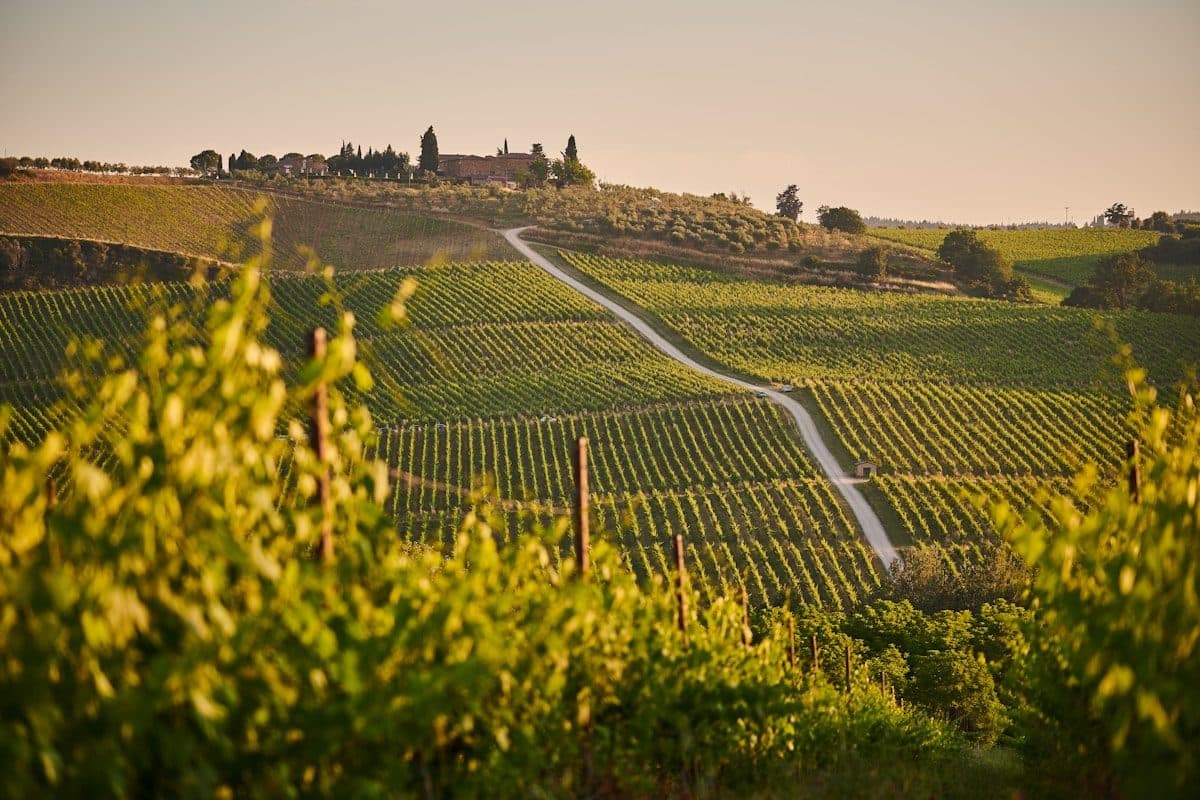
Tuscan Wine
Chianti, Montalcino, Montepulciano and Bolgheri compared, and which one your trip has room for.
Day Trips: Pisa, Lucca and Beyond
The real train fare and journey time for each town, and which trips only work as a tour.
The Best Wineries in Tuscany
Which estates take visitors, what a tasting costs, and the second wines nobody mentions.
Frequently asked questions
What is the best time to visit Tuscany?
May, June and September. April and October are quieter and still pleasant but you risk rain. July and August are hot, crowded and expensive, with the added problem that many family-run places close for their own holidays in mid-August.
Do you need a car in Tuscany?
For Florence, Siena, Pisa and Lucca, no: the train connects all four and parking in the centres is restricted anyway. For the hill towns, Val d’Orcia and the wine regions, yes. Public transport reaches them in theory and on a timetable that makes day trips impractical.
How many days do you need in Tuscany?
Five to seven for a first trip that includes Florence. Three days in Florence and three or four moving around the region is the split that works. Anything under five and you are choosing between the cities and the countryside rather than seeing both.
When should I book a villa in Tuscany?
By January for July and August. The properties with a pool, a view and space for a group are a limited stock and they are taken early. For May, June and September you have until around March before the good ones thin out.
Some links on this page are affiliate links. If you book through them we earn a commission at no extra cost to you. It does not change what we recommend: we rank on what you get for the money, and we say so when something is not worth booking. Full disclosure.