Tuscan Cooking Classes in Florence: What the Price Buys
Updated August 2026 · Prices, durations and review counts pulled from Viator for mid-September dates, in euros
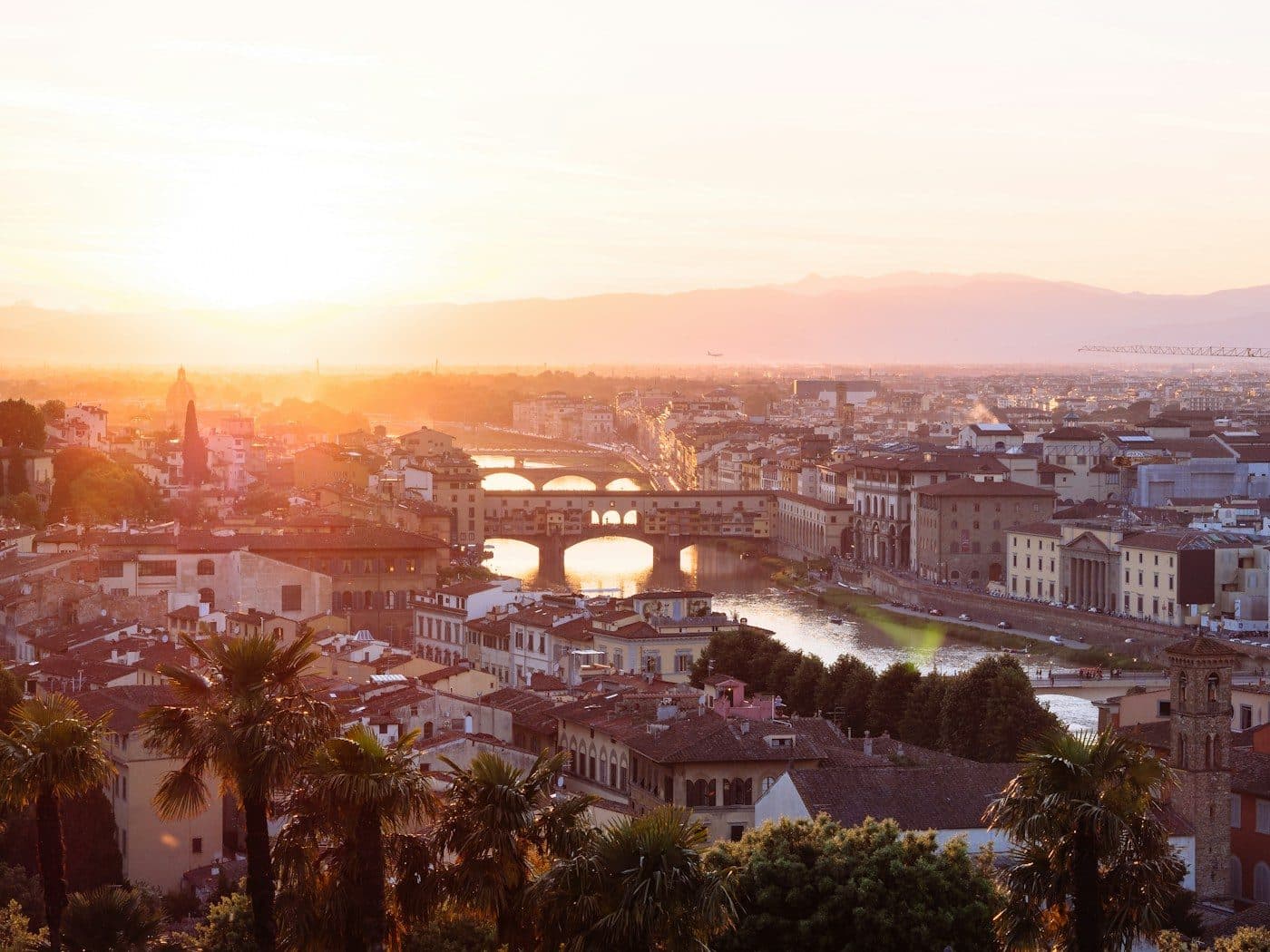
Google’s own People Also Ask box for cooking classes in Florence is dominated by one question, asked half a dozen different ways: how much does it cost. The usual answer comes from four cooking schools advertising themselves, two forum threads where strangers swap recommendations, a TripAdvisor listing and a YouTube video.
So we pulled the actual numbers. Every price, duration and review count below comes from querying Viator on 29 August 2026 for dates in mid-September, in euros. Then we did the one calculation nobody publishes: what each class costs per hour. The results are not subtle.
Every class compared, by the hour
Sorted cheapest first. The price per hour column is ours, calculated from the two columns before it, and it is the one that changes how the list reads.
| Class | From | Length | Per hour | Rating | Reviews |
|---|---|---|---|---|---|
| Pasta, unlimited wine | 25 € | 2h 30 | 10 € | 4.94 | 9,021 |
| Pasta & tiramisu, unlimited wine | 29.80 € | 2h 30 | 12 € | 4.87 | 439 |
| Fresh pasta & tiramisu | 39 € | 2h 30 | 16 € | 4.92 | 104 |
| Pasta & tiramisu (discounted) | 47.20 € | 3h | 16 € | 4.94 | 3,047 |
| Pizza & gelato, families | 70 € | 3h | 23 € | 4.95 | 61 |
| Three pastas and dessert | 72 € | 3h | 24 € | 4.62 | 276 |
| Tuscan class and dinner | 79 € | 4h | 20 € | 4.51 | 734 |
| Traditional Tuscan class | 145.66 € | 3h 30 | 42 € | 5.0 | 18 |
| MaMa Florence | 169 € | 3h 30 | 48 € | 4.95 | 64 |
Read down the last two columns and the market stops looking like a quality ladder. The cheapest option has the second highest rating and more reviews than every other class here combined. The most expensive has sixty-four.
Seven times the price, the same rating
Put the two ends of the table side by side and the problem is obvious.
| Cheapest | Dearest | Difference | |
|---|---|---|---|
| Price | 25 € | 169 € | 6.8 times |
| Length | 2h 30 | 3h 30 | 1 hour more |
| Per hour | 10 € | 48 € | 4.8 times |
| Rating | 4.94 | 4.95 | 0.01 |
| Reviews | 9,021 | 64 | 141 times fewer |
One hundred and forty-four euros of difference buys one extra hour and one hundredth of a rating point. That is not an argument that the expensive class is bad, and it is certainly not an argument that the chefs are interchangeable. It is an argument that the price of a Florence cooking class is not a signal of quality, and that treating it as one, which is the instinct most travellers have, will cost you money for nothing measurable.
What the money genuinely buys, as far as we can tell from the listings: smaller groups, a named teacher rather than a rotating one, better wine, and in some cases a location outside the city with transport included. Those are real things. They are just not what people think they are buying, which is a better class.

Pasta Cooking Class with Unlimited Wine in Florence
This is the 25 euro row from the table above. Three pasta shapes with three sauces, then you eat all of it with unlimited Tuscan wine. The school sits inside a thirteenth century tower minutes from the Duomo, which belonged to the family of Dante's wife. More reviews than everything else on this page combined, at a rating the 169 euro option beats by 0.01.
Why 5.0 can mean less than 4.9
There is a 5.0 in that table. It belongs to the class at 145.66 euros, and it has eighteen reviews.
Eighteen people can all be delighted for entirely honest reasons. But eighteen is a small enough number that a single bad afternoon has not happened yet, and a perfect score at that volume tells you almost nothing about what happens on a busy Saturday. Compare it with 4.94 across 9,021 reviews, which is a score that has survived thousands of chances to break.
And it gets sharper. When we widened the same search to the countryside, one listing came back at 135 euros with a perfect 5.0 rating and exactly one review. One person, one good afternoon, one flawless score. Nothing about that listing is dishonest, and it may well be excellent. But a single review is not evidence, and displayed next to a 4.94 it looks like the better option when it is simply the unknown one.
The rule worth carrying beyond this page: a slightly lower rating over thousands of reviews is stronger evidence than a perfect one over dozens. Sort by review count before you sort by stars. It applies to every tour you will ever book, not just cooking classes.
The four kinds of class
Once the price stops being a useful sorting tool, the real question is which type you want. There are four, and they are genuinely different experiences.
| Type | Typical price | What it is | Best for |
|---|---|---|---|
| City pasta class | 25 to 47 € | Two to three hours, central location, three pasta shapes, wine included | Most people, most trips |
| Class with a meal built in | 70 to 80 € | Three to four hours, ends as a full sit-down dinner | Replacing a restaurant night |
| Countryside class | 80 to 130 € | Half a day, transport out of the city, often a market or farm visit | People with a spare full day |
| Named school or private | 145 € and up | Small groups, a chef with a reputation, more technique | Cooks who actually cook |
The important line in that table is the last one. If you cook seriously at home and want to come back able to make sfoglia properly, the expensive classes are the correct purchase and the 25 euro one will frustrate you. If you want a fun evening with your hands in flour and a lot of Chianti, the cheap one is not a compromise, it is the right answer.
One from each end of that table, for the two travellers who are not the average one:

Pizza and Gelato Family Cooking Class in Florence, Small Group
Pizza and gelato rather than pasta, which is the correct choice with kids, and a small group. Only sixty-one reviews, so weigh it by the rule two sections up, but it is the highest rated family format we found and three hours is about right for children.

MaMa Florence: Tuscan Cooking Class
The expensive end, and the right call for one kind of traveller: a named school, small groups, three and a half hours. At 48 euros an hour it costs nearly five times the cheapest class per hour. Buy it for the teaching, not because the price implies quality, because we have just shown that it does not.
The class is your dinner
This is the most practical thing on the page.
In the listing for the most reviewed class in Florence, the operator puts it plainly: in the end we will eat everything we have prepared. Three pasta shapes with three sauces, then dessert, with unlimited Tuscan wine. That is not a tasting. That is dinner, and a large one.
So do not book a restaurant for the same evening. People do it constantly, treating the class as an activity that happens before dinner, and end up paying twice for a meal they cannot eat. If your class starts at six or seven, your evening is spoken for. Plan the restaurant for a different night, and see our guide to how many days you need if that forces the rest of the trip around.
The corollary is that the value calculation changes completely. A 25 euro class that feeds you three courses and pours unlimited wine is competing with a restaurant bill, not with a museum ticket. On those terms it is close to the cheapest dinner in central Florence, and you get taught something while eating it.
If you want the version that leans furthest into being dinner, this is it: three hours rather than two and a half, and tiramisu at the end.

Florence Cooking Class: Pasta and Tiramisu with Unlimited Wine
Three hours, pasta and then tiramisu, unlimited wine throughout. The same 4.94 as the 25 euro class across three thousand reviews, which is the second strongest evidence base in the city. It was discounted when we checked, so confirm the current price before booking.
Is the market tour worth it
Many of the pricier classes begin with a guided walk through a food market, usually the Mercato Centrale, before going to the kitchen. It typically adds an hour or two and a noticeable amount to the price.
Our honest read: it is worth it once, and only if you have not already spent time in the market. The walk is genuinely interesting the first time, and the shopping is the part of Italian cooking that travellers never see. But you can visit the Mercato Centrale for free, any morning, on your own, and if you have already wandered it then you are paying an extra hour of class time for a guided version of something you did yesterday.
The other consideration is time. A class with a market tour runs four to seven hours, which is not an evening activity, it is a day. On a three night trip, that is a meaningful share of your Florence.
Classes outside Florence
Florence is not the only option, and the difference is not what people assume. We ran the same query for Siena and the countryside. Prices are higher almost across the board, and the review evidence is much thinner.
| Class | From | Length | Per hour | Rating | Reviews |
|---|---|---|---|---|---|
| Farmhouse pasta and pesto, from Florence | 80 € | 5h | 16 € | 4.95 | 5,057 |
| Siena pasta and tiramisu, small group | 59.20 € | 3h | 20 € | 4.69 | 138 |
| Siena class with wine and lunch | 115 € | 4h | 29 € | 4.80 | 176 |
| Siena class with pasta, wine and dinner | 130 € | 4h | 33 € | 4.85 | 352 |
| Pasta class at a 12th century winery | 149 € | 5h | 30 € | 4.68 | 25 |
| Private class in Radda in Chianti | 145.34 € | 3h | 48 € | 5.0 | 12 |
The standout is the first row and it is not close. The farmhouse class leaves Florence, runs five hours including transport out of the city, and works out at 16 euros an hour with more than five thousand reviews at 4.95. That is cheaper per hour than three of the in-city classes and better evidenced than everything outside Florence put together.
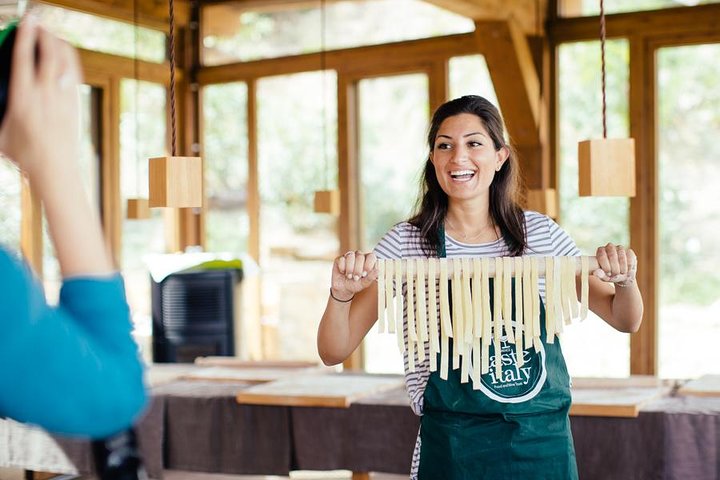
Pasta and Pesto Class at a Tuscan Farmhouse, with Optional Market Tour
The first row of the table above. Five hours including transport out of Florence, lunch with a view, and the market tour as an option rather than a compulsory extra. At 16 euros an hour it undercuts three of the in-city classes despite running twice as long.
The Siena options are all fine and all dearer per hour, and they carry a hidden cost: you have to get to Siena. That is 10.80 euros each way and about ninety minutes on the train, which we cover in day trips from Florence. Booking a cooking class in Siena means committing the entire day to Siena, which is a reasonable plan but a different one.
What to wear, and what to expect
Another question Google’s own suggestion box asks and nobody on the first page answers.
- Closed shoes. Kitchens have hot things and dropped knives, and some schools will not let you cook in sandals.
- Sleeves you can push up, and clothes you do not mind marking. Aprons are provided almost everywhere, but an apron does not protect forearms from tomato or a white cuff from flour.
- Long hair tied back, and nothing dangling from your wrists.
- If there is a market tour, dress for the street first. You will be walking outdoors for an hour before you see a kitchen.
On the format itself: these classes are hands-on rather than demonstrations. In the most reviewed one, the operator states that all equipment is provided and that you need bring nothing. Expect to be standing, expect flour on you, and expect the wine to start before the cooking finishes.
So are they worth it
The strongest evidence available is the review data, and it is unusually favourable. Sustaining 4.94 across more than nine thousand reviews is genuinely difficult, and it does not happen to experiences that disappoint people. Several other classes in the table sit above 4.9 on hundreds or thousands of reviews.
But it is worth naming what you are not buying. Three hours will not teach you to cook Italian food. It will teach you to make one or two shapes of fresh pasta well enough to repeat badly at home, which is a genuine and modest pleasure. The people who come back disappointed are almost always the ones who expected a course and booked an evening.
Set against a restaurant meal with wine in central Florence, at 25 to 50 euros it is hard to argue with. Set against a culinary education, no three hour class in any city is worth it, and the ones that are honest about that say so.
We have not taken any of these classes. Everything above is built on price, duration and the weight of review evidence, which are the parts you can check yourself.
The other thing competing for the same evening and roughly the same money is a food tour, which gives you six to fourteen tastings across several places instead of one kitchen. We ran the same comparison on those in food tours in Florence, where the cheapest credible option costs nearly twice this page’s.
If a cooking class is competing for the same afternoon as a trip out of the city, we worked through what each of those costs in day trips from Florence. And if the wine is really the draw rather than the food, the wine regions compared is the better starting point.
Questions
How much is a cooking class in Florence?
When we checked Viator for mid-September 2026, the range ran from 25 euros to 169 euros per person. The cheapest is two and a half hours making three pasta shapes with unlimited Tuscan wine, and the dearest is three and a half hours at a named cooking school. Most of the market sits between 25 and 80 euros. Anything above about 100 euros is buying you a smaller group and a chef with a name, not more hours.
Are pasta making classes in Florence worth it?
On the numbers, yes, and by an unusual margin: the most reviewed class in the city holds 4.94 across more than nine thousand reviews, which is a very hard score to sustain at that volume. The honest caveat is what you are buying. A three hour class is an evening out with a meal and wine included, not a culinary education. If you want to learn technique properly you need a full day or a multi-day course, and those cost accordingly.
What is the best cooking class in Florence?
We have not taken these classes, so we will not rank them on taste. What the data shows is that the 25 euro pasta class with unlimited wine has 9,021 reviews at 4.94, which is more reviews than every other class in this comparison combined, and a rating statistically indistinguishable from options costing six times more. If you want the safest booking by weight of evidence, that is it.
Is it better to take a cooking class in Rome or Florence?
Florence, if the cooking is the point rather than the city. Tuscany is where the fresh egg pasta tradition and the Chianti to drink with it are local rather than imported, so the class ingredients and the wine come from the same place. Rome has excellent classes too, built around carbonara, cacio e pepe and the other Roman pastas. Neither city is wrong; the dishes you learn are simply different.
What should I wear to a cooking class in Italy?
Closed shoes, sleeves you can push up and clothes you would not mind splashing with tomato or flour. Aprons are normally provided, but they do not cover your feet or your forearms. Tie long hair back. Skip anything that dangles from your wrists. If the class starts with a market tour you will also be walking for an hour first, so dress for the street rather than for the kitchen.
Does a cooking class include the meal?
Almost always, and this is the detail people miss when planning. You eat what you cook, and in most Florence classes that means three pasta courses plus dessert, usually with wine included and often unlimited. A class that finishes at nine in the evening has fed you. Do not book a restaurant for the same night, which is a mistake plenty of people make and pay for twice.
How far in advance should I book a cooking class in Florence?
The popular ones sell out days ahead in high season, and the small-group formats sell out faster because there are fewer places. The practical advantage is that most of these listings offer free cancellation, so booking early costs nothing and holds a place while you decide. Leave it to the day before in June or September and you will be choosing from what is left rather than what you wanted.
Some links on this page are affiliate links. If you book through them we earn a commission at no extra cost to you. It does not change what we recommend: we rank on what you get for the money, and we say so when something is not worth booking. Full disclosure.