Montepulciano Wineries: Where to Taste Vino Nobile
Updated August 2026 · Denomination rules and visiting details checked against the Consorzio and each winery’s own site
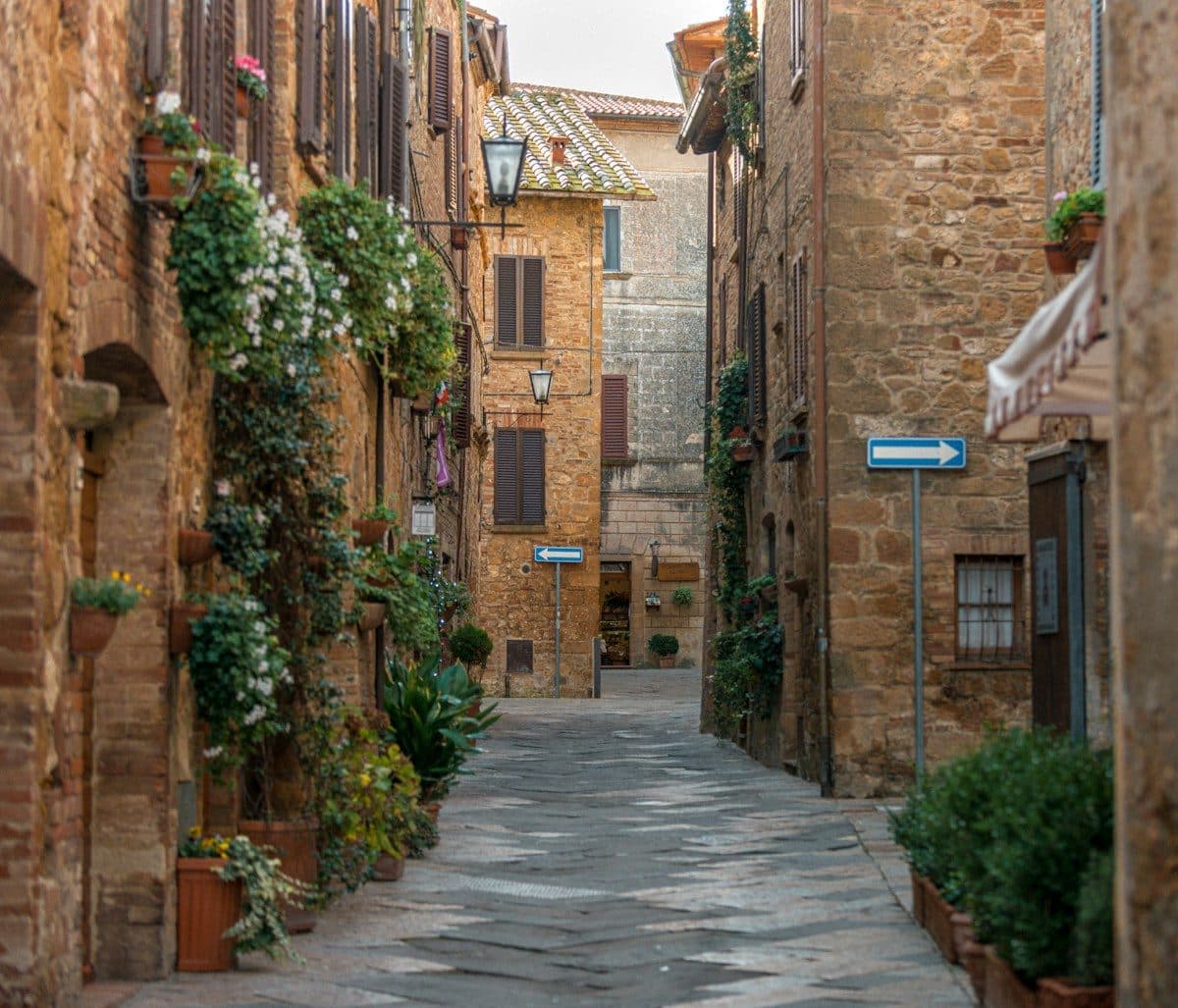
Search for wineries in Montepulciano and you get lists. Twelve wineries, ten wineries, fifteen wineries, each described as family-run with a warm welcome and centuries of history, which narrows nothing down because it is true of all of them. Four of the ten results Google currently shows for this search are forum threads, which is Google admitting it cannot find a page that answers the question properly.
The question is not which winery is best. It is whether you have a car, because in Montepulciano, unusually, that changes everything about the day.
The name problem, cleared up first
Before anything practical, the confusion that sends a steady stream of people to Google asking what wine Montepulciano is famous for.
Montepulciano is both a town in Tuscany and a grape grown in Abruzzo, and they have nothing to do with each other. The bottle of Montepulciano d’Abruzzo on the supermarket shelf for six euros comes from a region on the other side of the Apennines and is made from the Montepulciano grape. The wine of this town is Vino Nobile di Montepulciano, and it is Sangiovese, the same grape as Chianti Classico and Brunello.
It is arguably the most unhelpful naming collision in Italian wine, and it costs the town real money, because a lot of people have decided what Montepulciano tastes like before they arrive on the basis of a completely different wine.
The Consorzio del Vino Nobile publishes the rules, and they are worth two minutes because they explain the prices you will see:
- Vino Nobile di Montepulciano DOCG. A minimum of 70 per cent Sangiovese, with up to 30 per cent of other varieties authorised for Tuscany. It cannot be sold until it has aged two years, counted from the first of January after the harvest.
- Riserva. Three years minimum, of which at least six months in bottle, and a minimum natural alcohol of 12.50 per cent.
- Rosso di Montepulciano DOC. Same grape requirement, but it can be released from the first of March following the harvest. This is the younger, cheaper wine from the same vineyards, and it is what gets drunk locally at lunch.
- Pieve. The newest and strictest tier: no less than 85 per cent Sangiovese, three years of ageing with a minimum of twelve months in wood and twelve in bottle. Nobody outside the trade knows this exists yet, so it is a good thing to ask about in a cellar.
All four figures above come from the Consorzio’s published disciplinaries, checked in August 2026. If a tasting room tells you something different, they are talking about their own house style rather than the rules.
Why Montepulciano is different from the rest of Tuscany
Here is the thing that none of the guides currently ranking for this search say out loud, and it is the single most useful fact about visiting.
In Chianti, the estates are farms scattered across 71,800 hectares of hills and you drive between them. In Montalcino, same. In Bolgheri, same. Wine tasting in Tuscany normally means somebody in the car drinking water all afternoon while everyone else enjoys themselves, or paying a tour operator to solve that problem.
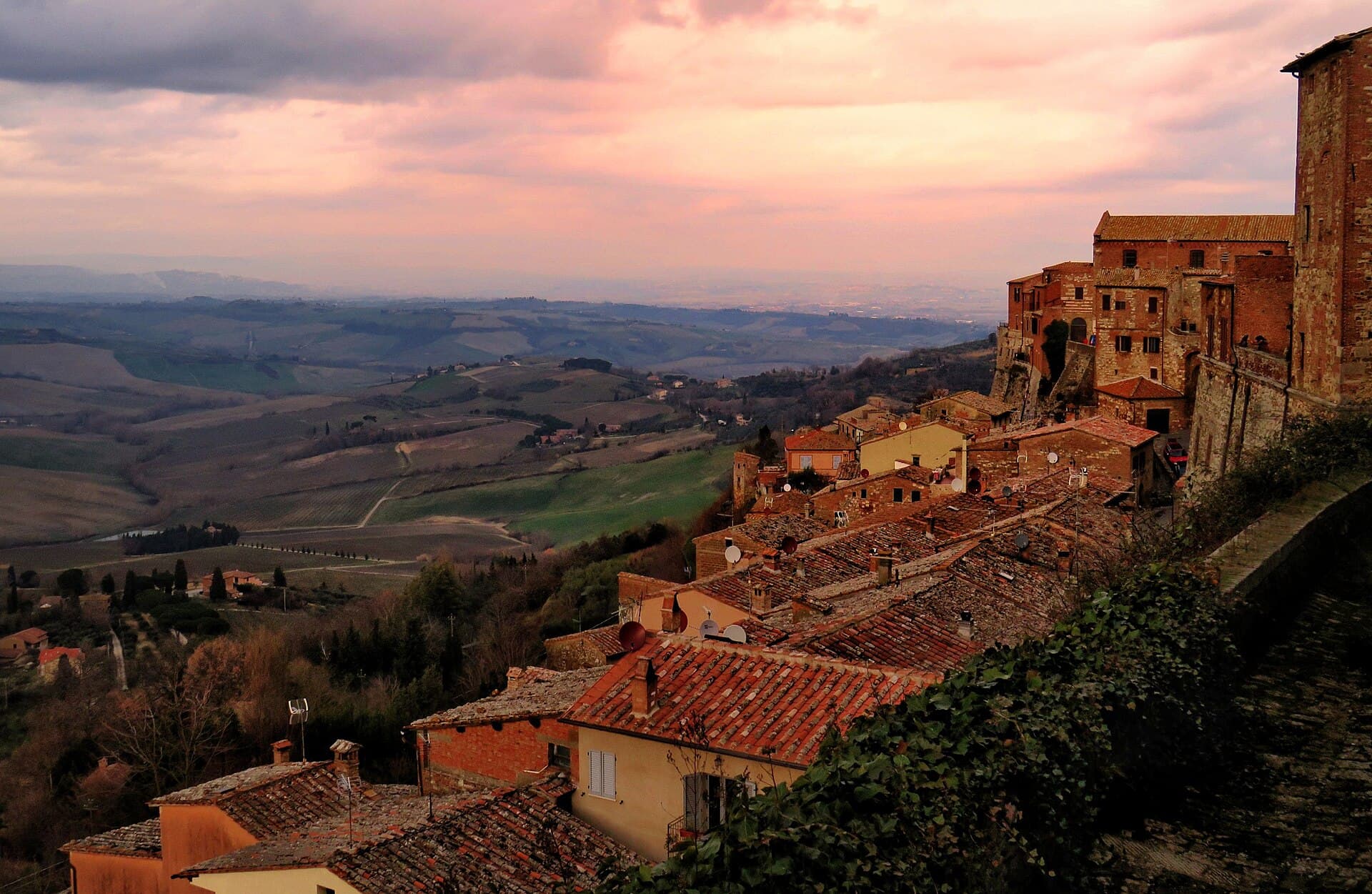
Montepulciano is built on top of its cellars. The town sits on a ridge of soft tufa rock, and the noble families who built the palazzi along the Corso in the sixteenth century dug their wine storage directly underneath. Those cellars are still working, still full of barrels, and they are open to visitors. Cantina Contucci is beneath Palazzo Contucci on Piazza Grande, at the very top of the town. Cantine De’ Ricci is a few minutes down the hill. You walk from one to the other.
Which means Montepulciano is the answer to a question people ask about Tuscany all the time and rarely get a good answer to: where can we taste good wine without renting a car or booking a tour. Here. You can arrive by bus or be dropped off, spend the afternoon underground, eat, and not have to think about who is driving.
The trade-off is the climb. Montepulciano is steep in a way photographs do not convey. The town runs uphill from the Porta al Prato to Piazza Grande along a single street, and you will do that climb more than once. Comfortable shoes matter more here than in any other Tuscan town except Siena.
The cellars under the old town
These are the ones you can walk to. All of them are inside the walls, all within about fifteen minutes of each other on foot, allowing for the gradient.
Cantina Contucci
The one most people mean when they say they visited a cellar in Montepulciano. It sits under Palazzo Contucci on Piazza Grande, the square at the top of the town, and the family has been making wine here for a very long time. What visitors consistently describe is being walked through the barrel rooms without being sold anything, with a tasting available afterwards if you want one.
The useful part, and we had it wrong until we rechecked on 9 September 2026: Contucci publishes both its hours and its price, and they are the best in the region. Ten euros for three wines, one Rosso di Montepulciano and two Vino Nobile, with the cellars and the tasting open every day including holidays from 11:00 to 18:00, and no appointment needed. An earlier version of this page told you it published neither, which was simply not true.
How to find it: Via del Teatro 1, 53045 Montepulciano, on Piazza Grande at the top of the town. Telephone +39 0578 757006, or info@contucci.it. Open daily 11:00 to 18:00 for the 10 euro tasting, with no appointment. The two hour Contucci Experience is a separate thing and needs booking fifteen days ahead.
Cantine De’ Ricci
The spectacular one. The De’ Ricci cellar descends through several levels of vaulted brick and rock beneath the palazzo of the same name, and it is the cellar that tour operators sell as one of the most beautiful in the world. That is marketing language, but the place does justify a certain amount of it: it is the visit to choose if you are bringing somebody who does not especially care about wine.
Like Contucci, it publishes considerably more than we used to credit it with: three experiences, each with a price, and it says it is open every day by appointment. If you want a guaranteed time slot with an English-speaking guide, the platform listings below are the reliable route, and they cost more than turning up would.
How to find it: Via Ricci 11, 53045 Montepulciano. Telephone +39 0578 757166, or info@dericci.it. Open daily by appointment. Published prices: 20 or 30 euros for the cellar visit with three or six wines, 50 for four pure Sangiovese, and 75 for lunch in the vineyard.
Enoliteca Consorzio, in the Fortezza
Not a winery, and the most useful stop in town for anyone who wants to compare rather than commit. The Consorzio del Vino Nobile runs a tasting room inside the fortress at the top of the town, and it states that it has over a hundred labels of the appellation available every day. That is the entire denomination in one room, which no single cellar can offer you.
Go here first if you have an afternoon and no idea which producer you like. Then visit the cellar of whichever one you preferred. It is the opposite of how most people do it and it works much better.
How to find it: Fortezza di Montepulciano, Via San Donato 21. Contact info@enolitecavinonobile.it. The Consorzio publishes no opening hours, and no tasting price, though in its case the second one is not evasion: the room runs on self-service dispensers and a rechargeable card, so you pay for what you pour and there is no set price to publish. The hours are a real gap, and worth a check before you climb up to the fortress.
Ercolani, Gattavecchi and Talosa
Three more historic cellars in the old town, all regularly recommended and none of which publishes visiting details we could verify. Ercolani is known for the length of its underground tunnels, Gattavecchi for being one of the long-established family names, and Talosa is the one most often reported as taking walk-ins.
We are naming them because they are genuinely part of the answer and it would be dishonest to pretend the town has only two cellars. We are not giving you hours or prices for them, because we could not confirm any.

Tasting Tour in One of The Most Beautiful Cellars in the World
An hour underground with a guaranteed slot and a guide who speaks English, in cellars the operator traces back to the Etruscans. Worth it over turning up if your day is tightly planned, or if you are here in August when the town is at its fullest.
One card rather than a row of them, deliberately. Several operators sell the same hour in the same cellars at within a couple of euros of each other, and this is the best rated of them by a clear margin. If you would rather not book at all, that is the whole point of this town: walk up and ask.
The estates outside the walls
Everything above is the town. The vineyards are below it, and the producers whose names appear on serious wine lists are out there rather than under the Corso. This is where you need a car, an appointment, and a decision about who is driving.
Avignonesi
The most organised estate for visitors, and the one that publishes the most about what it actually offers. Its hospitality operation is at Le Capezzine, and it runs a proper menu of experiences rather than a single tasting:
- A tasting built around a guided selection of four wines.
- A visit and tasting that adds the vineyards.
- The Grand Experience, which takes in the vineyard, the cellar and nine wines with a meal. The lunch alone runs about three hours, so this is the afternoon rather than a stop within it.
- A summer aperitivo, every Friday and Saturday from 6pm to 9pm.
- A cooking class.
Every one of them requires booking. The estate states this for each experience individually, so this is not a place to improvise. It does not publish prices, which given the range on offer is understandable and still inconvenient.
How to book: through the experiences section of avignonesi.it. Details above verified there in August 2026. If you are coming for the Grand Experience, budget the whole afternoon and sort out the driving first.
Salcheto
The easiest estate in the area to plan around, for one simple reason: it is the only one named on this page that publishes its opening hours. That sounds like a low bar. It is, and almost nobody clears it.
- The enoteca is open every day from 10am to 5pm, Sundays included, with cellar tours, wine by the glass and something to eat with it.
- Its restaurant, Indigeno, opens for lunch and dinner every day except Tuesdays on summer hours.
- It has rooms, open all year except 12 January to 11 February.
Sunday matters more than it sounds. Sunday is the day that catches people out across Tuscan wine country, because a lot of producers simply do not open and visitors only discover it on the day. If your one free afternoon is a Sunday, this is where to point the car.
How to find it: Via di Villa Bianca 15, 53045 Montepulciano, just below the town. Telephone +39 0578 799031, enoteca@salcheto.it for the wine shop and cellar tour, indigeno@salcheto.it for the restaurant. They are separate bookings, so say which you want. Hours verified at salcheto.it in August 2026.
Poliziano, Boscarelli, Dei, Bindella and the rest
The names that turn up on wine lists rather than on tour itineraries. If somebody in your group follows Italian wine seriously, these are the ones they would choose over any cellar in town:
- Poliziano, one of the producers most associated with the modern reputation of Vino Nobile, and which also makes wine in the Maremma on the coast.
- Poderi Boscarelli, small, family-run, and consistently the name recommended by people who visit the region repeatedly rather than once.
- Cantine Dei and Bindella, both of which have built their visitor spaces around something other than wine, sculpture in one case and art in the other.
- La Braccesca, between Montepulciano and Cortona, and Tenuta Valdipiatta, Palazzo Vecchio, Montemercurio and La Combarbia among the smaller estates.
We have not verified visiting arrangements, hours or prices for any of these individually, so treat the list as a starting point for your own booking rather than an assurance that they will take you on the day you turn up. Every one of them should be assumed to need an appointment.
What a tasting costs, and who actually tells you
An earlier version of this page told you that none of these cellars publishes a price. That was wrong, and we are correcting it here rather than quietly deleting it. We went back on 9 September 2026 and checked the five we had named. Three of them publish a full tariff, and two of those publish it in more detail than most Tuscan estates manage.
| Cellar | What they publish | Booking |
|---|---|---|
| Contucci | 10 €, three wines | Walk in, 11:00 to 18:00 daily |
| Contucci Experience | 25 € without food, 40 € with | Fifteen days ahead, max 20 people |
| De' Ricci | 20 or 30 €, 75 min, three or six wines | Daily, by appointment |
| De' Ricci, Sangiovese in Purezza | 50 €, four pure Sangiovese | Daily, by appointment |
| De' Ricci, lunch in the vineyard | 75 €, three courses, four wines | Daily, by appointment |
| Avignonesi | From 55 €, two hours, four wines | Own online booking system |
| Salcheto | No price published | Booking button, no tariff |
| Enoliteca del Consorzio | Pay per pour, no set price | Self-service dispenser card |
Contucci is the one worth knowing about, and not only because it is the cheapest. Its own site says the cellars under the palazzo and the tasting are open every day including holidays, from 11:00 to 18:00, and 10 euros buys you three wines, one Rosso and two Vino Nobile. No appointment, no phone call, no being told no. At an estate with a name, in Tuscany, that is close to unheard of, and it is the single most useful fact on this page.
Their longer Contucci Experience is 40 euros for about two hours, or 25 if you would rather have snacks than the plate of local salumi and two pecorini. It takes in rooms of the palazzo Antonio da Sangallo il Vecchio built in 1517, including the Sala delle Feste that Andrea Pozzo decorated in 1702, the cellars inside the eleventh to thirteenth century walls, and the panoramic garden looking over the Valdichiana to Lake Trasimeno. There is one condition nobody else repeats and it will catch you out: it must be booked at least fifteen days ahead, it runs Mondays, Tuesdays, Fridays and Saturdays at 11:00 and 15:30, and only from 1 April to 6 January.
The two that do not publish are not being evasive in the same way. Salcheto describes vertical tastings of old vintages, private tours with a winemaker and blind tastings, puts a booking button next to them and states no figure. The Consorzio’s Enoliteca in the Fortezza has a better reason: it runs on self-service dispensers and a rechargeable card, with more than a hundred labels available on a given day in either a taste or a full glass, so you pay for what you pour and there is no fixed tasting price to publish in the first place.
What survives from the earlier version is the warning about second-hand numbers. Any specific price you read on a guide that did not name its source is somebody’s receipt, not a tariff, and several of the pages currently ranking for this search were written in 2019 and 2022. Ours were read off the cellars’ own sites on the date above, and we will re-read them rather than let them age.
The same pattern holds across the region, and we go into it in more detail in our comparison of the four Tuscan wine regions.
Ten more, and one of them is Boscarelli
Everything above is about the five cellars in and around the old town. Here is what happens when you look at the estates that sell a bookable slot instead, and the first line of the table is the reason this section exists.
Boscarelli, one of the names we point at further up this page as a serious drinker’s choice, takes a booking at 26 euros. We also say further up that names like it have to be arranged in advance, which is true of the phone call and no longer true of the slot.
| Estate | Per adult | Length and minimum | Worth knowing |
|---|---|---|---|
| Boscarelli | 26 € | 1 h, minimum two | One of the serious names, and 27 reviews behind it |
| Podere Casa al Vento | 30 € | 1 h 30, minimum two | Three reviews, so almost no evidence |
| Vecchia Cantina | 32 € | 1 h 30, takes one | One review. The co-operative, in town |
| Luteraia | 35 € | 1 h 30, minimum two | Sensory format, 13 reviews |
| Tenuta Golo | 35 € | 1 h 10, takes one | Four reviews |
| Le Bèrne | 35 € | 1 h 30, minimum two | Vineyard, cellar and six wines |
| Terra Antica | 40 € | 2 h, minimum two | 56 reviews, the best evidenced of the ten |
| Pinzi Pinzuti | 40 € | 1 h, minimum two | Vineyard walk. Five reviews |
| Podere Rubino | 45 € | 1 h, minimum two | Two reviews |
| Tiberini | 130 € | 3 h 30, minimum two | Truffle hunt and lunch. Not a tasting |
None of these is cheaper than Contucci, and we are not going to pretend otherwise. Ten euros for three wines with no appointment, every day, remains the best value in Montepulciano and probably the best single fact on this page. What the list above buys you is different: an estate outside the walls, a time held in your name, and in Boscarelli’s case a cellar that would otherwise need arranging.
One warning about the review column. Only Terra Antica with 56 and Boscarelli with 27 have enough ratings to argue from. Le Bèrne, Tiberini and Luteraia sit in the teens, and four of the ten are on five reviews or fewer, including one on a single opinion. Those perfect five out of fives further down the table are not evidence of anything yet.
And note the last row is not a wine tasting at all. Tiberini at 130 euros is a truffle hunt with lunch, three and a half hours, and it is in the table because it is the one genuinely different thing bookable around Montepulciano rather than because it competes with the others on price.

Classic Wine Tour at Poderi Boscarelli
One hour at an estate we name further up this page as a drinker's choice, for 26 €. Twenty-seven reviews is thin next to a big platform but it is the second best evidenced of the ten here, and it is the only one of the serious Montepulciano names with a slot you can simply take.

Tuscan Lunch and Tasting at Terra Antica
Two hours with lunch for 40 €, and 56 ratings at 4.9. On a list where four estates have five reviews or fewer, that difference matters more than the fourteen euros between this and Boscarelli.

Vineyard, Winery Tour and Tasting of Six Wines at Le Berne
An hour and a half through the vineyard and cellar with six wines at the end, for 35 €. Fourteen reviews, so treat the 4.9 as encouraging rather than proven, but six pours is more than most estates here put in front of you.

Truffle Hunt and Lunch at the Tiberini Estate
Three and a half hours and 130 €, which is five times the Boscarelli tasting and buys a completely different afternoon: hunting truffles with a dog, then eating them. The most expensive thing on this page and the only one that is not really about wine.
All of them compared
The column that matters is the last one. Nearly every guide to this town states opening hours and prices with total confidence. We went to the wineries’ own sites and found that most of them publish neither.
| Winery | Where | Booking | What is actually published |
|---|---|---|---|
| Cantina Contucci | In town, on Piazza Grande | None needed, 11:00 to 18:00 daily | 10 €, three wines. Hours and price both published |
| Cantine De’ Ricci | In town, Via Ricci | Daily, by appointment | 20 to 75 € across three experiences, each priced |
| Enoliteca Consorzio | In town, in the Fortezza | Not stated | Over 100 labels available every day. Pay per pour by card, so no set price. Hours not published |
| Ercolani, Gattavecchi, Talosa | In town | Varies. Talosa most often reported as walk-in | Nothing we could verify |
| Avignonesi | Outside, at Le Capezzine | Required, for everything | Five experiences, four wines to nine, aperitivo Fri and Sat 6 to 9pm. From 55 €, on its own booking system |
| Salcheto | Outside, just below the town | Enoteca no, restaurant yes | Open daily 10am to 5pm including Sunday. Restaurant closed Tuesdays |
| Poliziano, Boscarelli, Dei, Bindella | Outside, scattered | Assume required | Nothing verified. Contact each directly |
Driving, parking and the ZTL
Montepulciano is about an hour and a half from Florence and roughly an hour from Siena, and there is no useful train. Chiusi-Chianciano Terme is the nearest station and it is still a bus or taxi ride away, which is why almost everyone arrives by car.
Three things worth knowing before you do.
The historic centre is a ZTL. A zona a traffico limitato, a restricted traffic zone, enforced by camera. The comune confirms the zone exists and that the yellow-marked spaces immediately around it, roughly 180 of them, are reserved for residents and people who work in the centre. It does not publish the streets or the active hours in a form we could verify, so we are not going to invent them. What matters practically is simpler: do not drive up into the old town. An Italian ZTL fine typically arrives by post at your home address months later, forwarded by the hire company with an administration charge on top, and by then there is nothing to be done about it.
Park below and walk up. There are public car parks outside the walls, and the town is small enough that any of them works. What you are choosing between is how much climbing you do, not how far you walk.
Decide who is driving before the first pour, not after. This is the practical argument for doing your tasting in town rather than at the estates. The estates pour generously and frequently, and the drive back is on narrow hill roads in the dark if you have stayed for dinner. Italian drink-driving law is stricter than in several English-speaking countries and the penalties are serious. If wine is the point of the day, either stay in the town, stay the night, or let somebody else drive.
Tours, and the one problem they actually solve
A tour to Montepulciano is not really about the wine. The tastings on a group day trip are shorter and less interesting than what you would get by walking into Contucci and asking. What a tour buys you is transport, and specifically transport that lets everyone drink.
That is a genuine problem and it is worth money, particularly from Florence, where the round trip is three hours of driving on top of the day. It is much less compelling from Siena, which is close enough that a bus or a taxi may serve you better.
One thing to watch: a great many tours sold as Montepulciano tours spend most of the day elsewhere. The standard Val d’Orcia itinerary takes in Montalcino, Pienza and Montepulciano, which is three towns in a day and about ninety minutes in each. That is fine if you want the landscape. It is not a wine day.
Val d'Orcia Brunello Wine Tour with Montalcino and Montepulciano
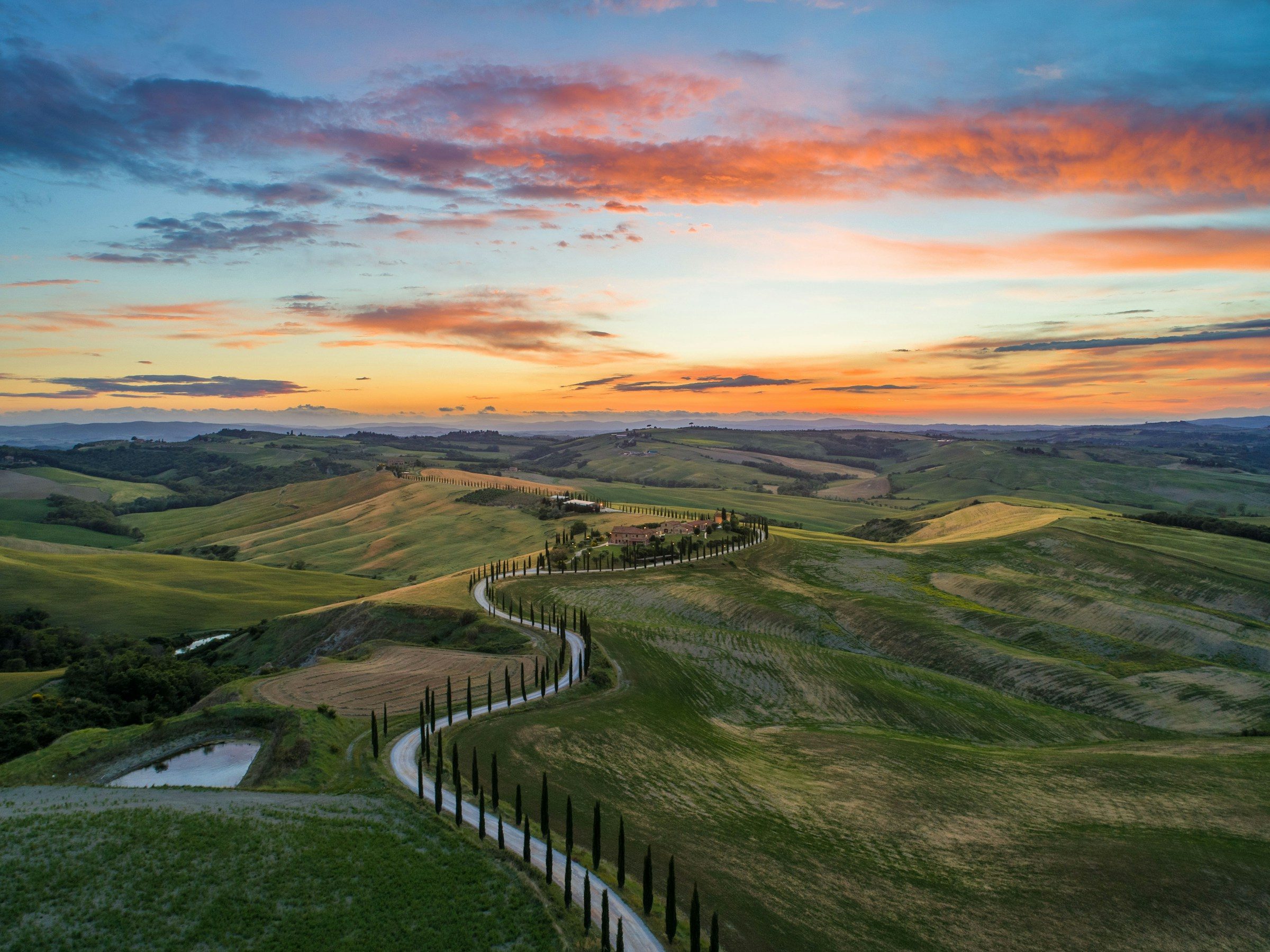
Ten and a half hours, and honestly more Val d'Orcia than Montepulciano: you get Montalcino and Pienza too. Choose it if you want the landscape and a taste of both denominations. Do not choose it expecting an afternoon in the cellars.

Small-Group Montepulciano and Pienza Day Trip from Siena
The best rated of anything we looked at for this town, and the pairing makes sense: Pienza is fifteen minutes away and is the other thing worth seeing out here. Eight hours rather than ten, because Siena is closer than Florence.
Ratings and lowest advertised prices checked in August 2026. If you are already staying in Siena, compare these against simply driving yourself and tasting in the town, which costs a fraction of either.
How long to give it
Half a day and a meal is the honest answer for the town itself. Montepulciano is one street, steep, and you can walk it end to end in twenty minutes without stopping, although you will not walk it without stopping. Add a cellar visit and lunch and you have filled an afternoon comfortably.
What people underestimate is the gradient rather than the distance. If anyone in your group struggles with hills, plan to go up once and come down once rather than yo-yoing between the Corso and Piazza Grande.
The natural pairing is Pienza, fifteen minutes away, which is a different sort of place entirely: a small renaissance town rebuilt to a plan in the fifteenth century, and the home of pecorino di Pienza. Almost every organised day trip pairs the two, and if you are driving yourself you should as well.
If wine rather than towns is the purpose of the trip, the honest comparison is with Montalcino, an hour west, where Brunello is the more serious wine and the tasting rooms are quieter. The two regions and what separates them are covered in our guide to the best Tuscan wineries, and the practical business of getting to any of them from the city is in Tuscan wine tours from Florence.
Frequently asked questions
What are the best wineries in Montepulciano?
It depends entirely on whether you have a car. Inside the old town, Contucci and Cantine De’ Ricci are the two historic cellars people come for, both dug into the hill beneath the palazzi and both within a few minutes’ walk of Piazza Grande. Outside the walls, Avignonesi is the most organised estate for visitors and Salcheto the easiest to plan around, because it is the only one that publishes its opening hours. Poliziano, Boscarelli, Dei and Bindella are the names a serious wine drinker would pick, and all of them need arranging in advance.
What wine is Montepulciano famous for?
Vino Nobile di Montepulciano, which is a Sangiovese wine and has nothing to do with the Montepulciano grape grown in Abruzzo. The confusion is genuine and very common: Montepulciano is both a Tuscan hill town and an Italian grape variety, and the two are unrelated. The Consorzio’s rules require a minimum of 70 per cent Sangiovese, with up to 30 per cent of other varieties authorised in Tuscany.
Can you visit wineries in Montepulciano without a car?
Yes, and it is the main reason to choose Montepulciano over Chianti or Montalcino for a wine day. The historic cellars are inside the walled town, cut into the tufa under the main street, so you walk between them. Nowhere else in Tuscany can you taste at this level without driving, and it also means nobody in your group has to stay sober.
Do you need to book a wine tasting in Montepulciano?
For the estates outside town, yes, always. Avignonesi states that every one of its experiences requires a reservation. For the cellars inside the old town the practice is looser and several take walk-ins, particularly outside July and August, but none of them publishes a policy, so a phone call the day before is the difference between a tasting and a wasted climb up the hill.
How much does a wine tasting in Montepulciano cost?
Between 10 and 75 euros, and three of the five cellars we checked publish their tariff. Contucci is the cheapest and the easiest: 10 euros for three wines, with the cellars and tasting open every day including holidays from 11:00 to 18:00 and no appointment needed. Its longer Contucci Experience is 40 euros, or 25 without the food plate, but has to be booked fifteen days ahead. De’ Ricci charges 20 or 30 euros for a 75 minute cellar visit with three or six wines, 50 for four pure Sangiovese, and 75 for lunch in the vineyard. Avignonesi starts at 55. Salcheto publishes no price, and the Consorzio’s Enoliteca has none to publish because it runs on a self-service dispenser card, so you pay for what you pour. Booked through a platform instead, a cellar tour with a tasting runs from around 33 euros. An earlier version of this page said none of them published a price, which was wrong: we rechecked every one on 9 September 2026.
Is Montepulciano worth visiting for a day?
For half a day and a meal, comfortably. The town is small and very steep, built along a single climbing street, and you can see it properly in three or four hours including a cellar visit. It pairs naturally with Pienza, fifteen minutes away, which is what most organised day trips do. If you want a full day of wine rather than a town plus wine, Montalcino is the better base.
What is the difference between Vino Nobile and Rosso di Montepulciano?
Ageing, and therefore price. Both are made from the same minimum of 70 per cent Sangiovese, but Vino Nobile has to age for at least two years counting from the January after the harvest, while Rosso di Montepulciano can be released from the March following the harvest. Rosso is the younger, lighter, cheaper wine from the same vineyards, and it is what the locals drink at lunch.
Some links on this page are affiliate links. If you book through them we earn a commission at no extra cost to you. It does not change what we recommend: we rank on what you get for the money, and we say so when something is not worth booking. Full disclosure.
Next: the four Tuscan wine regions compared or the wider Tuscan wine guide.